Onchain2025
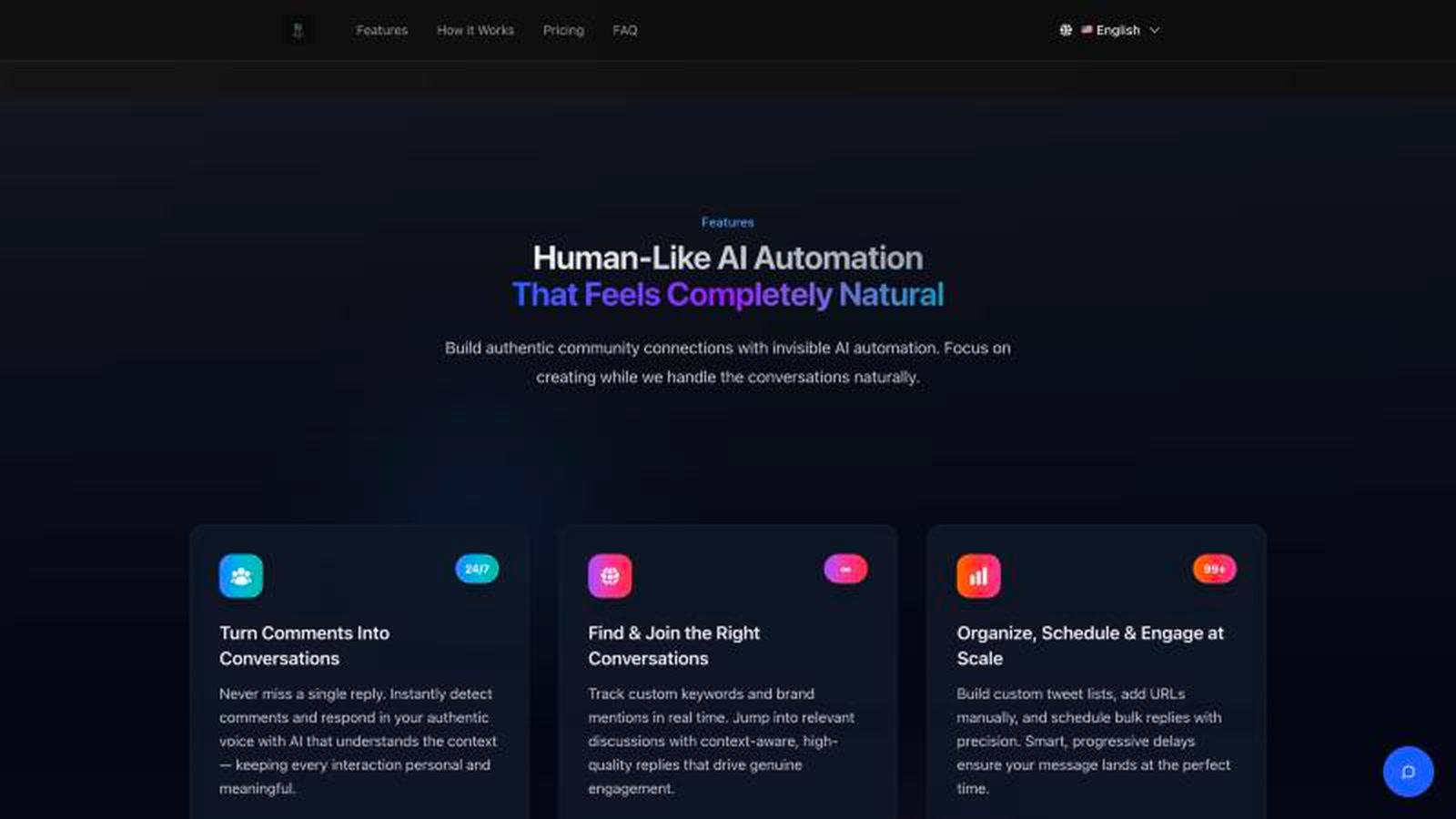
Repply
An InfoFi SaaS platform that generates contextual replies for social accounts, rotating credentials to stay inside rate limits and settling subscriptions on-chain.
500+active users
Scope. Build. Ship.
From a scoped proposal to a live release. Contracts, multi-tenant products and automation, handed over running.
Scroll
01What we do
Most engagements cross more than one. A payments product needs contracts and a plan tier. An automation platform needs a queue and a console.
For protocol and product teams who need contracts, oracles and wallet flows that survive audit, adversarial users and real money.
For founders and operators turning a validated idea into a multi-tenant product with billing, roles and a data model that still works at the tenth customer.
For teams that want language models doing real work: grounded generation, message automation and data pipelines with guardrails, queues and audit trails.
Ways to start
A defined release. Milestones, a price and a handover your team can operate.
One to two weeks that turn a rough idea into a feature list, an architecture and a number you can decide on. The build is a separate decision.
Engineers on your product for a defined period, shipping against your backlog inside your tools.
02Engagement
Every engagement follows the same path. The proposal names the price, the milestones and what is out of scope.
1–3 days
A working session on the goal, the constraint and what already exists.
OutcomeA shared problem statement, and a clear yes or no on whether we should build it.
1–2 weeks
The work is broken into features. Risks are named. You get a cost range before a build starts.
OutcomeA proposal with milestones, a price and an explicit list of what is out of scope.
Week one of the build
A deployment you can open, on the real stack, before the full feature set is in.
OutcomeProgress you can click, on the same foundation the release will use.
Set by the scope
Slices land on that deployment until the agreed release is in production, with notes for the parts that were hard.
OutcomeA live system your team can run.
03Client work
A client, the problem, what we shipped, and where it runs.

Onchain game
marketrush.voglabs.tech
ProblemA market people could play, in the browser, before anyone was asked to connect a wallet.
ShippedA runner whose track is a price chart, with eight worlds, free rides, risk runs and duels. The marketing site carries the hero film and the world clips.
NowLive in production at marketrush.voglabs.tech. Season 02.
Real-money gaming
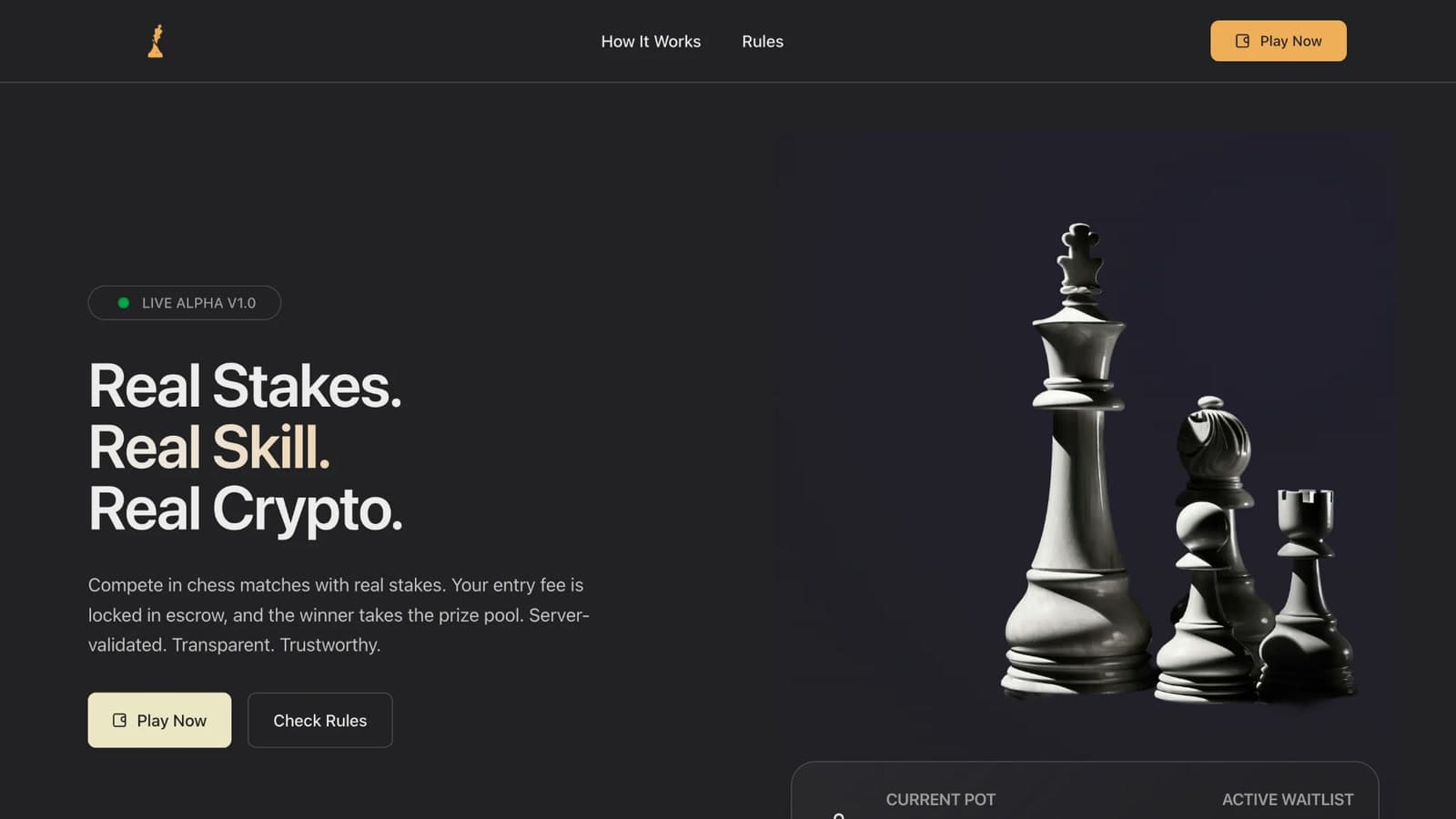
checkmate-arena.com
ProblemChess played for real stakes needs a result no player can dispute and an escrow no player can drain.
ShippedA Solidity escrow holding the stake with deterministic payout, and a server-authoritative engine validating every move and timer, so the client can never assert an illegal result. Reconnect and abandoned-game handling, an audit trail over every financial event, and rate limiting on the write paths.
NowLive at checkmate-arena.com, run by the client.
Housing and furniture supply, Australia
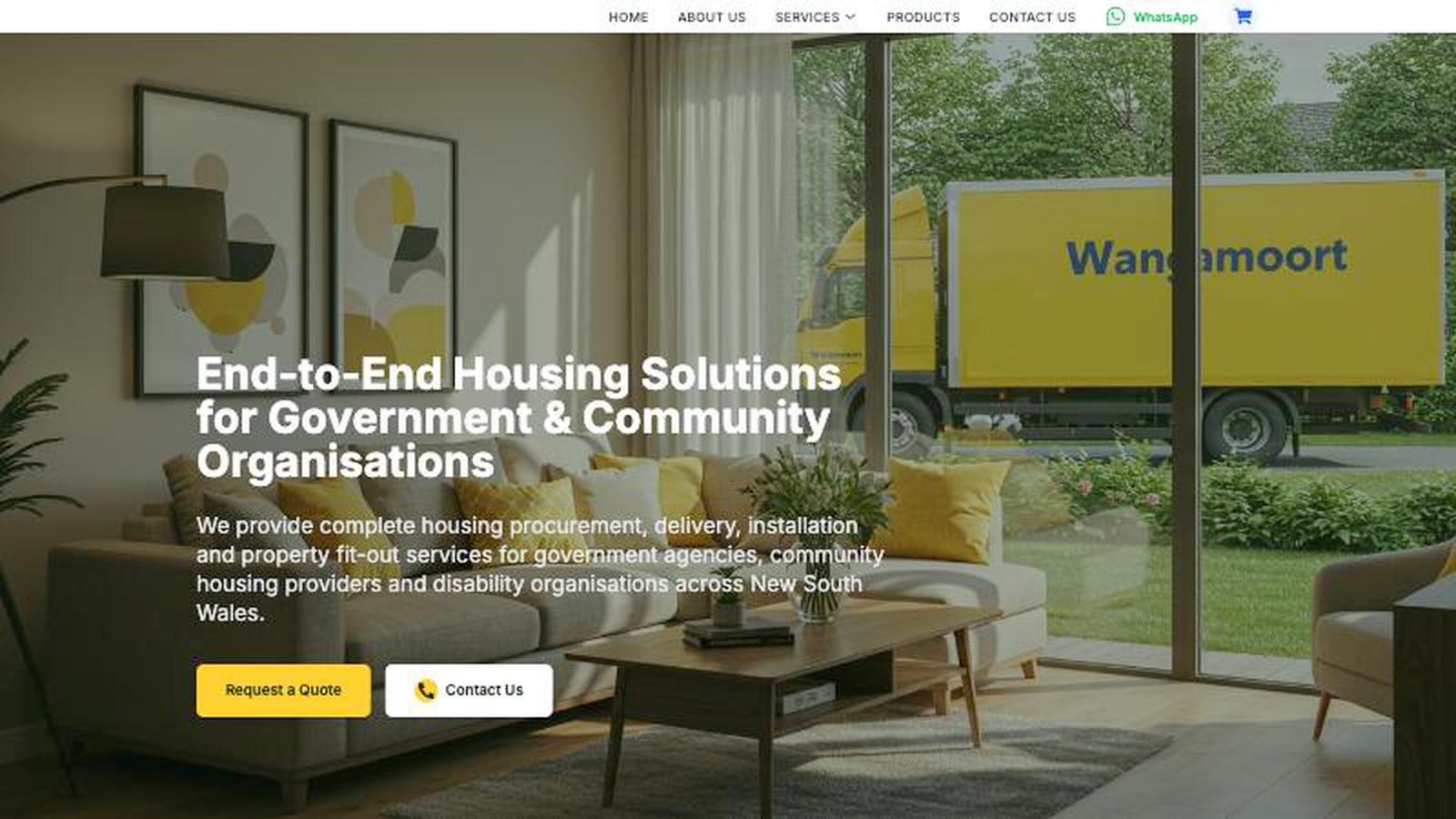
wangamoort.com.au
ProblemCatalogue, inventory and customer relationships needed one platform the team could actually run.
ShippedAn e-commerce storefront and an admin console, with warehouse, sales and management each seeing their own view of stock.
NowLive at wangamoort.com.au, serving government and community housing providers across New South Wales.
Onchain credit protocol
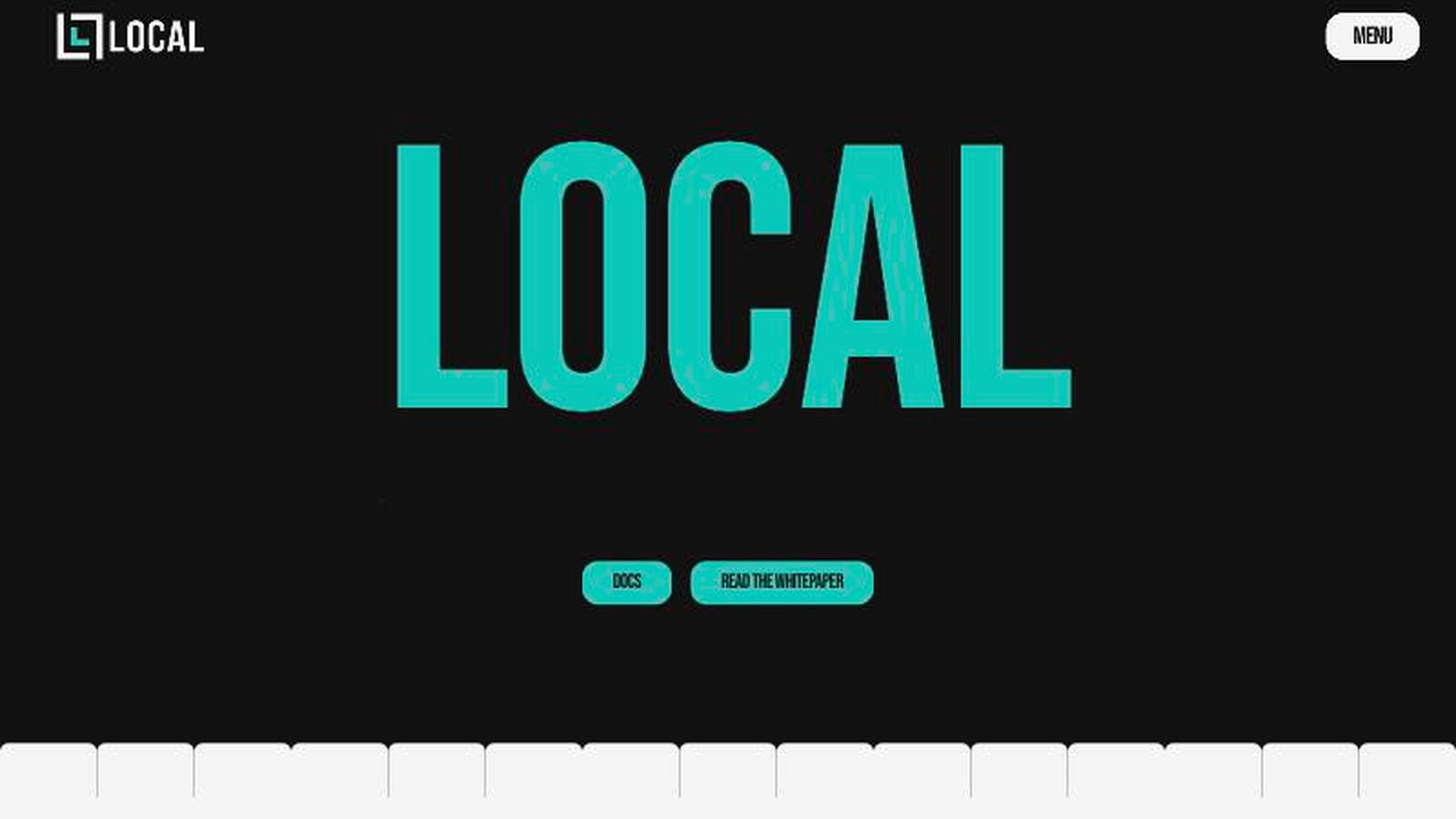
www.local.credit
ProblemA borderless credit protocol needed off-chain verification signals to reach the chain as reputation a contract could trust, without trusting the transport that carried them.
ShippedA scoring oracle on Base with EIP-712 signed updates, multi-provider email and SMS verification, and an ERC-20 payment path for the $CREDIT token. The scoring rules sit behind a Clean Architecture split across a Next.js front end and a NestJS service, so they stay testable.
NowLive at local.credit, run by the client.
04Our products
Products we operate ourselves, listed apart from client engagements.
An InfoFi SaaS platform that generates contextual replies for social accounts, rotating credentials to stay inside rate limits and settling subscriptions on-chain.
500+active users
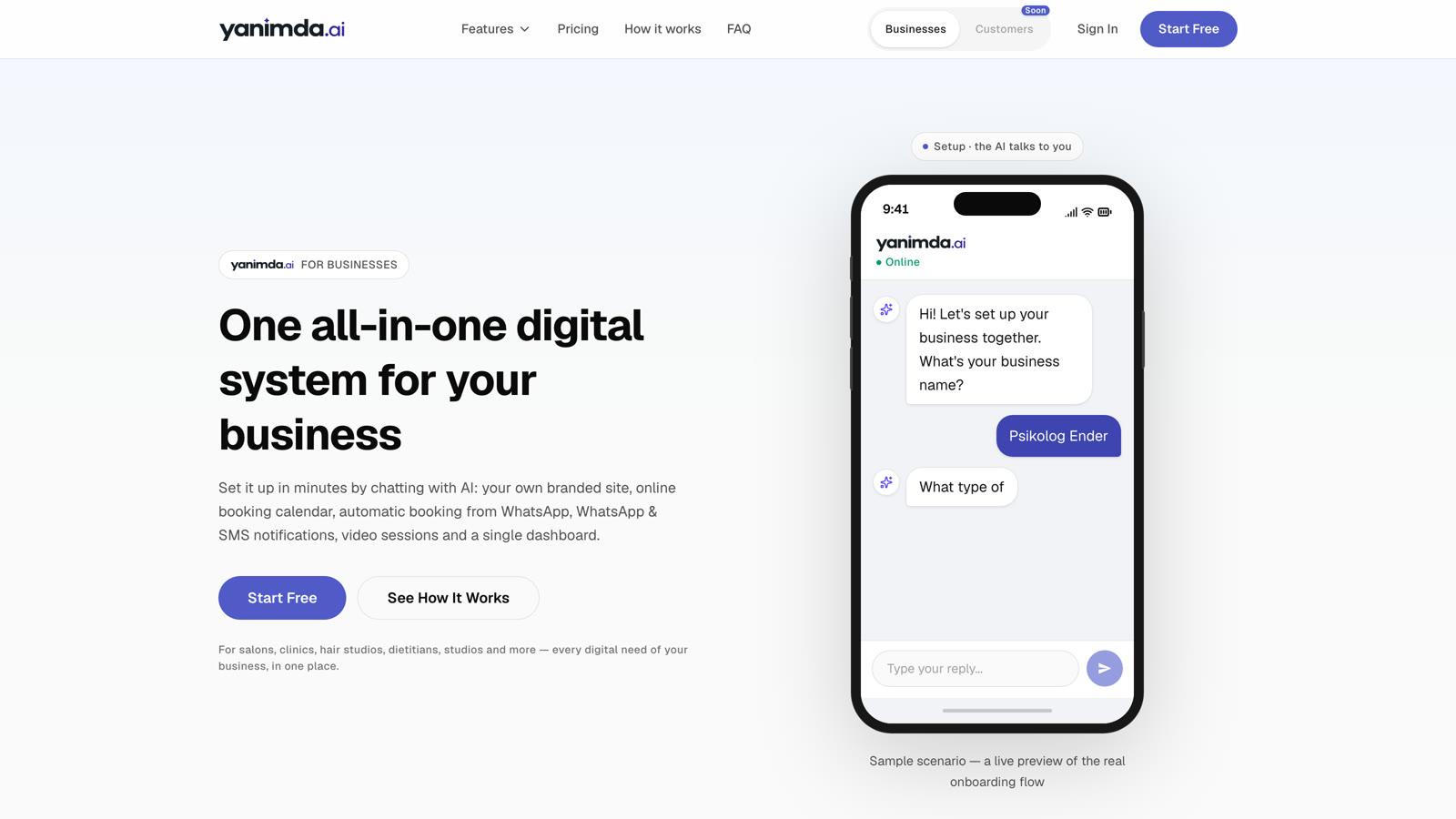
A multi-tenant appointment platform that gives independent businesses a bookable page, a calendar and a subscription plan of their own.
RLStenant isolation
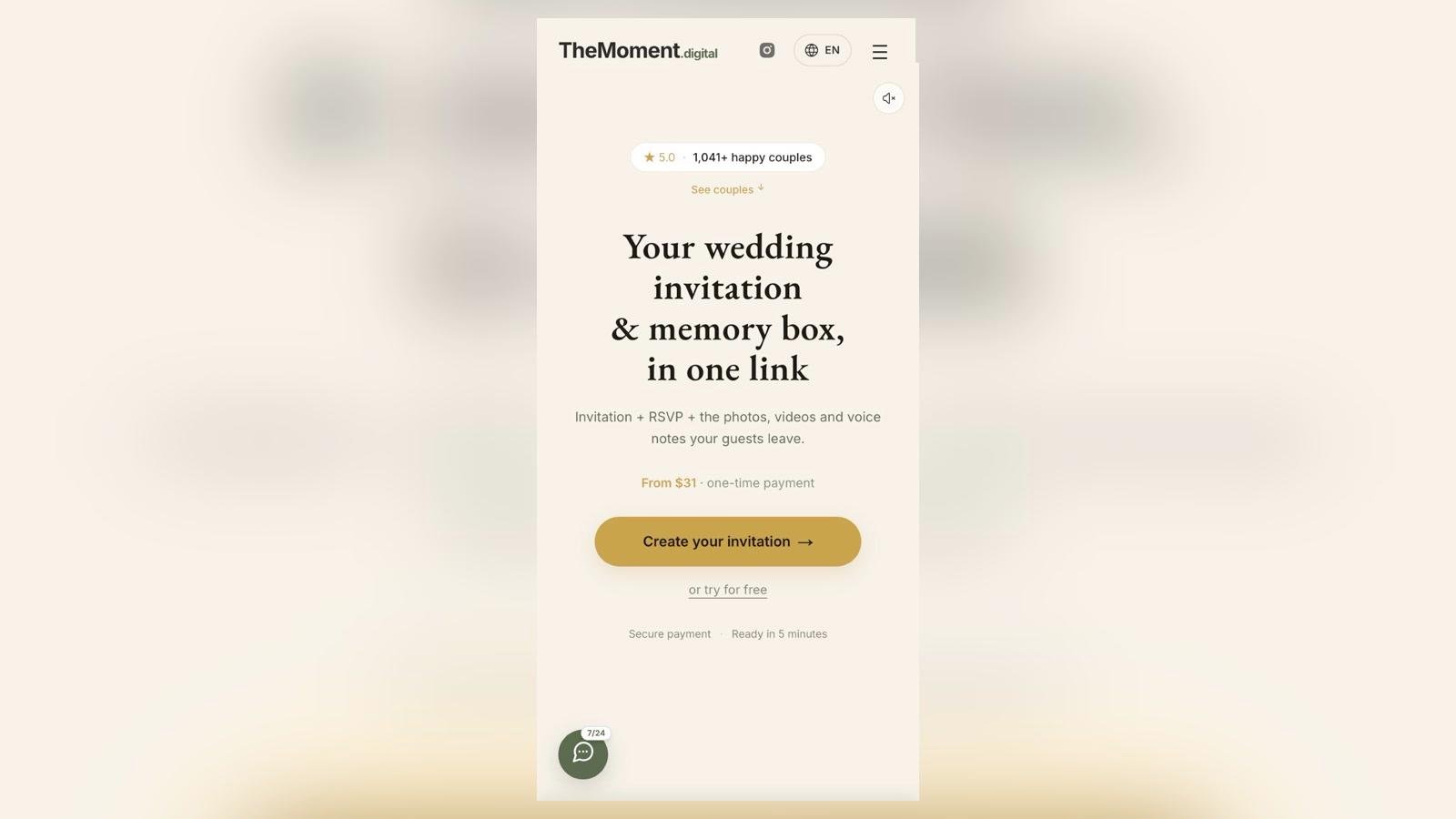
A wedding platform where couples build an event space, collect guest media and run the day from one dashboard.
3services in one monorepo
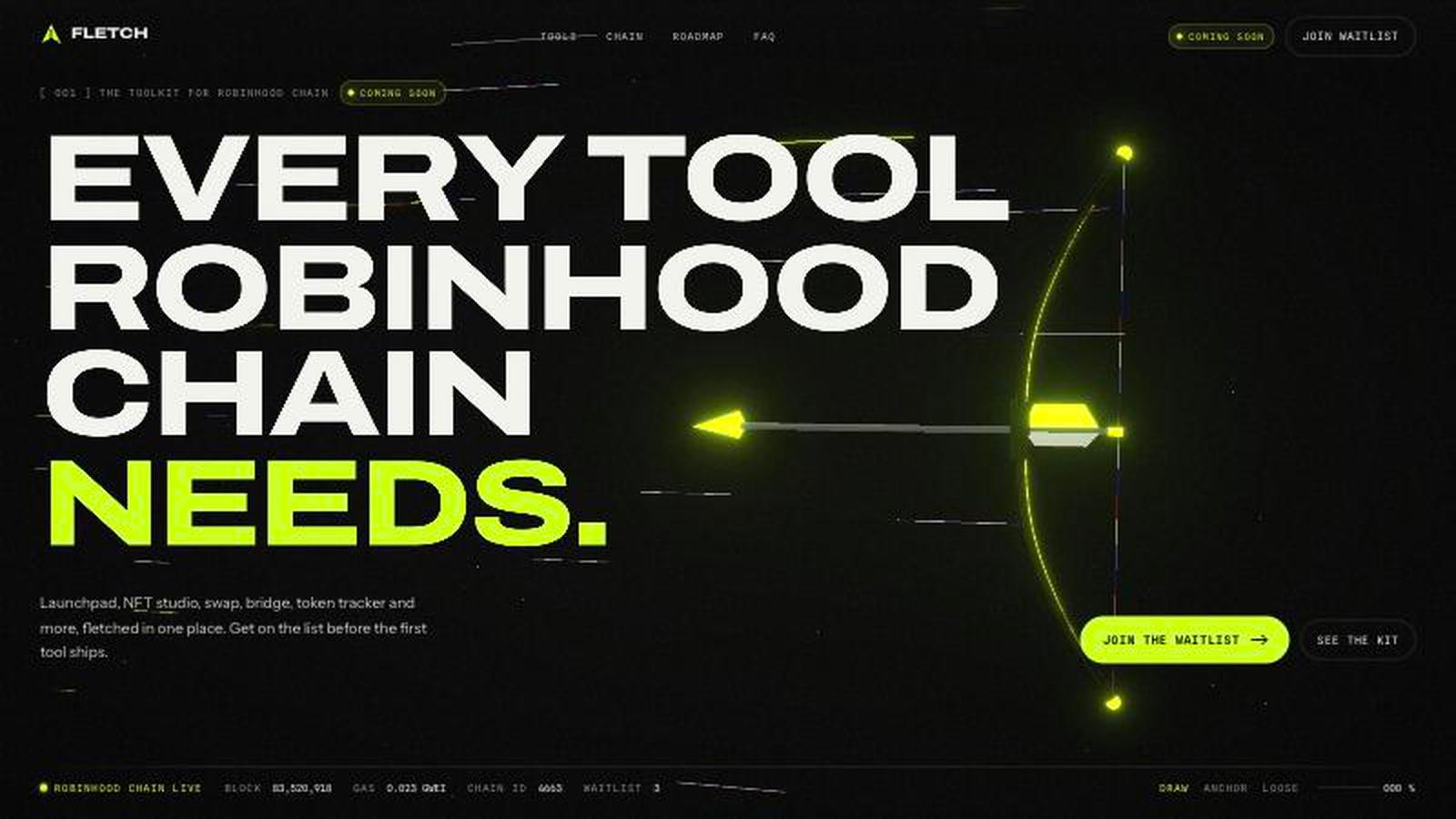
A toolkit for Robinhood Chain that gathers a launchpad, NFT studio, swap, bridge and token tracking behind one interface.
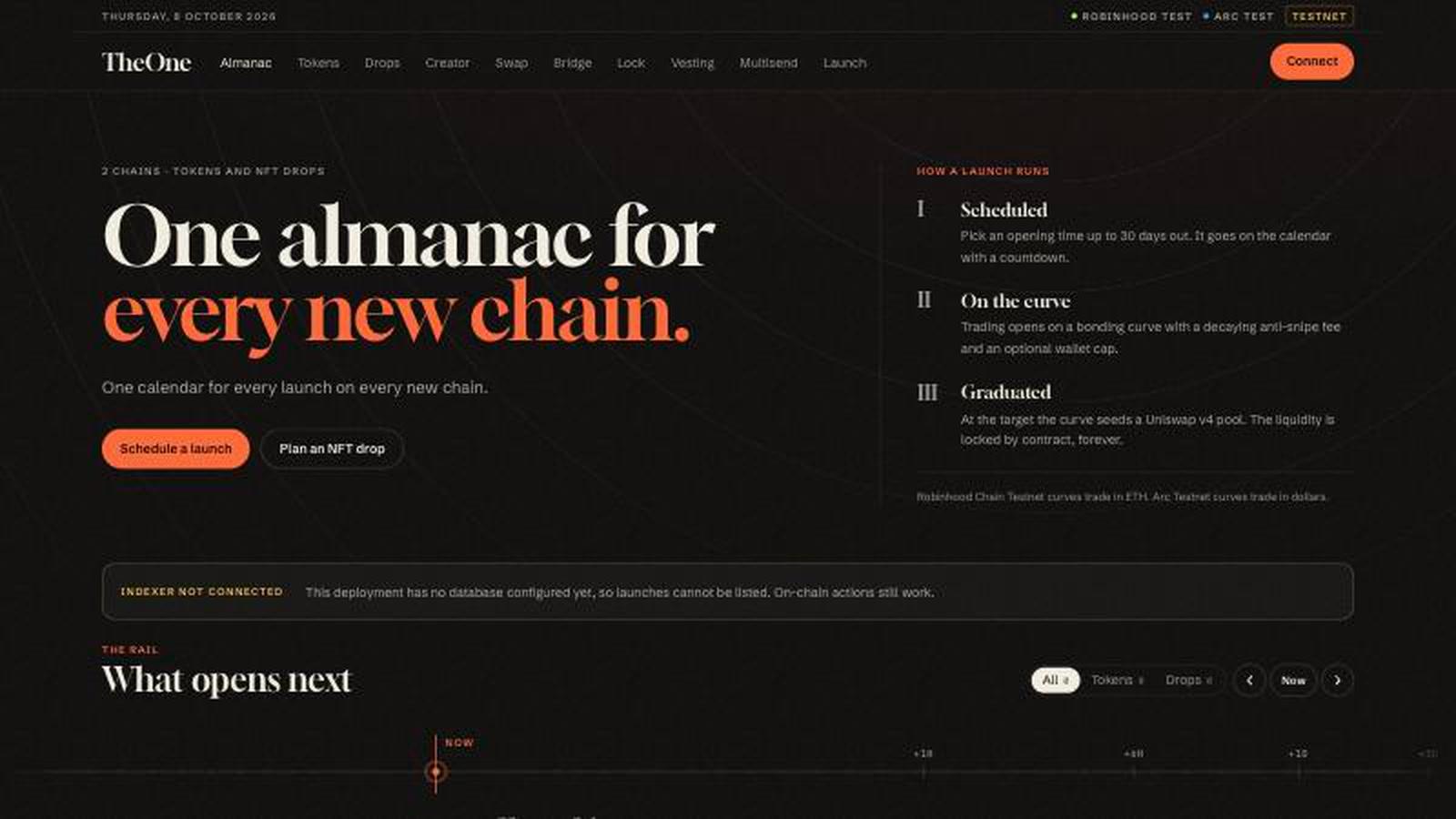
A multi-chain launchpad for tokens and NFT drops that ships either as the unified platform or as a single-chain white-label product, from one codebase.
2chains from one codebase
Scroll to browse
05By the numbers
Every figure on this page is derived from the projects listed below.
06Recognition
Ecosystem hackathon results and named collaborations. No purchased badges.
Visual builder that exposed fifteen Sei tools through the Model Context Protocol.
Zero-knowledge price oracle proving a forecast without revealing the model.
Licence verification oracle combining document reading with on-chain attestation.
Intent-based oracle where staked AI solvers are validated adversarially.
07Manifesto
Most software fails in the same place: the moment it meets real users, real money and real load. We build for that moment first, and let the demo follow.
Next step
A fixed-scope build, a discovery sprint, or dedicated engineering. We reply with the approach and what it will take.